When thinking about what contributes to a healthy lifestyle, most people focus on diet, exercise, and hydration. mattress shop But there’s another crucial component that often jigs under the radar—your mattress. More than just a destination for a rest, a mattress is an essential part of your daily recovery, and its affect your health can be unique.
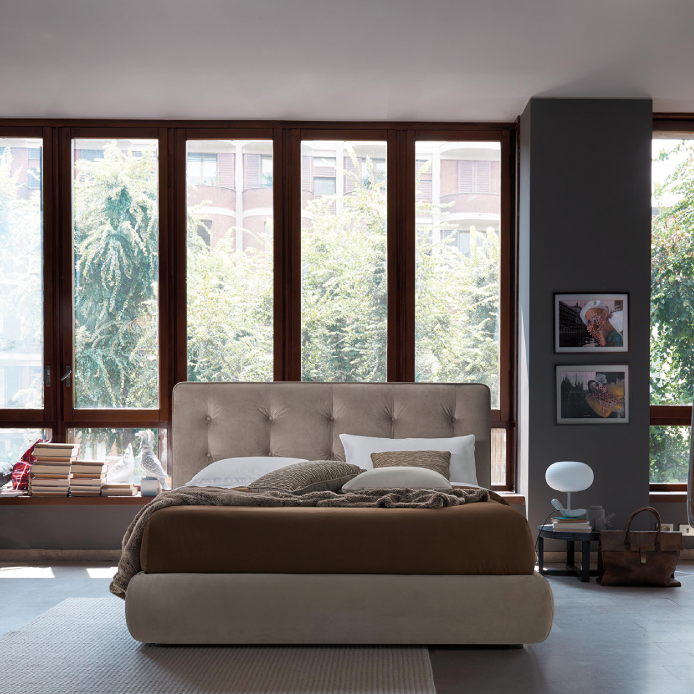
Sleep is when the body heals, rebuilds, and resets. Every organ and system depends on consistent, high-quality rest to work properly. That rest, however, is only as good as the surface you’re sleeping on. A mattress that doesn’t support your body properly can break up your sleep patterns, strain your back, and restrict the natural sleep series that are necessary for optimal health.
People often forget the signs that their mattress is no longer doing its job. Awakening with drama, tossing and turning throughout the night, or feeling tired despite getting a full night of sleep can all specify an issue with your sleeping surface. Over time, even the best a mattress degrade, losing the structure and support necessary to cradle the body effectively.
The partnership between a mattress and spinal positioning is one of the most crucial but least discussed facets of sleep health. When the back is out of line whilst sleeping, pressure builds in sensitive areas such as the lower back, neck, and shoulder muscles. This can lead to chronic discomfort, headaches, and restless nights. A high-quality mattress supports the spine’s natural blackberry curve and reduces pressure on joints and muscles, encouraging deeper, uninterrupted sleep.
Sleep position also plays a major role in determining what kind of mattress is best. Side sleepers typically require a softer mattress to cushion pressure points, while back sleepers require harder support to prevent making in the wrong areas. A mattress that complements your preferred sleep position not only improves comfort but also prevents long-term physical strain.
Temperature control is another important feature many overlook. Some a mattress trap heat, making sleep uncomfortable—especially in warmer climates or for those who naturally sleep hot. Modern a mattress now come with advanced cooling technologies, including breathable fabrics, gel-infused foams, and setting up systems designed to keep the sleep surface cool and comfortable all night.
People with allergies or the respiratory system conditions may also benefit from hypoallergenic a mattress. These are constructed from materials that resist dust mites, mold, and bacteria. Natural latex and organic cotton are popular methods of those seeking a cleaner, more health-conscious sleep environment.
Another dimension to consider is motion isolation. For those who share a bed with a partner, pets, or even small kids, the ability of a mattress to reduce movement is essential. Orthopedic and hybrid a mattress are particularly able to this, helping to reduce sleep trouble caused by motion transfer.
The idea that a mattress should last forever is a fantasy. Even with careful maintenance, a mattress eventually lose their capacity to provide proper support. Most experts recommend replacing a mattress every seven to a decade, depending on the quality and usage. Keeping an old, drooping mattress simply because it “still works” can lead to long-term health consequences.
A mattress is more than just a piece of furniture. It’s an associate in your search for wellness. Whether you’re managing stress, coping with a personal injury, or simply looking to improve your wellbeing, upgrading your mattress can be one of the most effective steps you take. It’s an investment in rest, recovery, and resilience.
Next time you evaluate your health routine, don’t forget what lies beneath you each night. A supportive, comfortable mattress may be the missing piece in achieving the energy and energy you’ve been determined for.
